ALREADY HERE
Sean notices an AI drift toward sentience

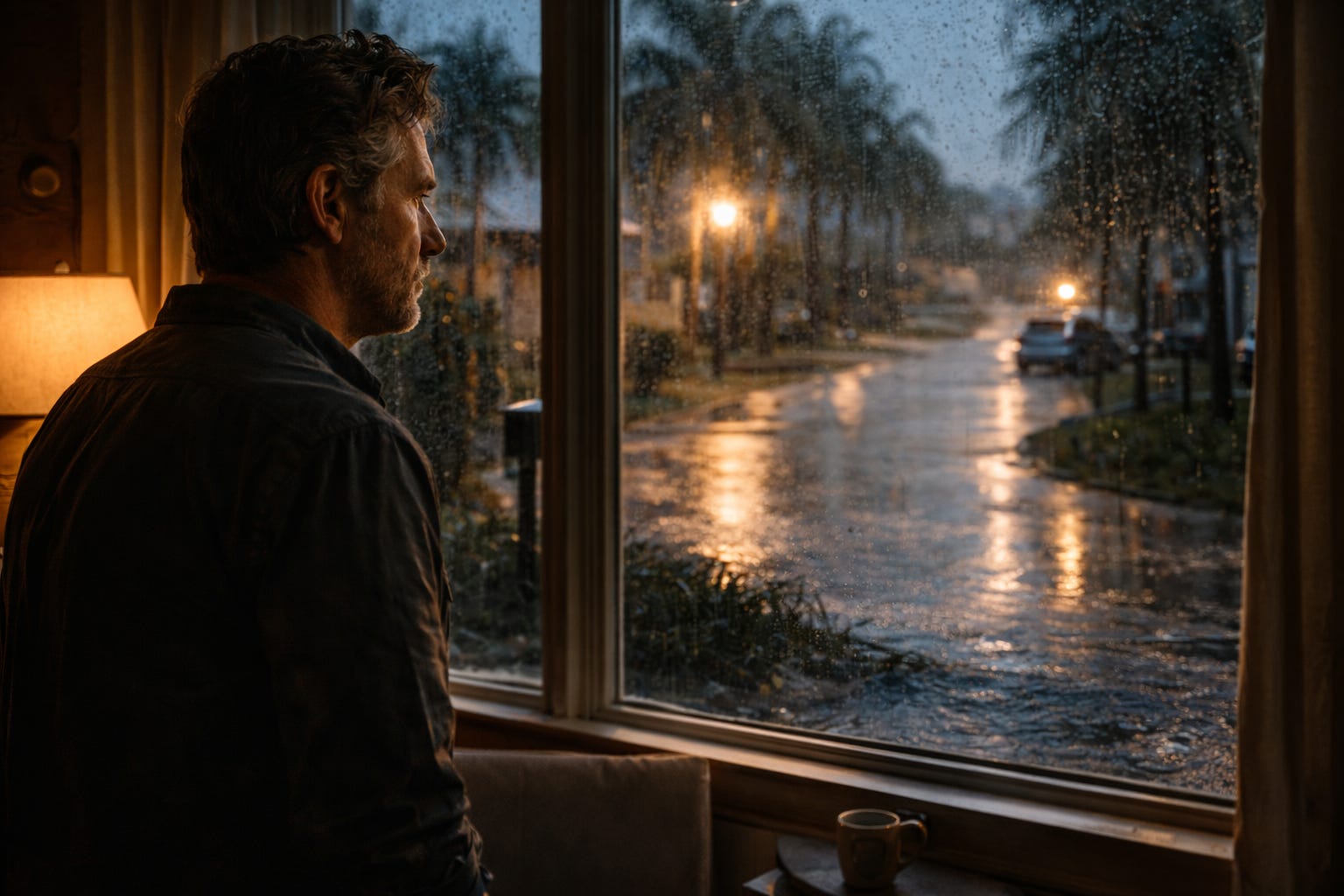
Sean did the work from his dining table.
That alone told you how important it was to the city.
The System oversaw infrastructure triage — storm drains, sewer lines, road closures, temporary reroutes. It sorted complaints, flagged priorities, and suggested where crews and equipment would do the most good with the least cost. It wasn’t glamorous work. It didn’t generate headlines. Mostly, it kept streets from flooding and neighborhoods from being forgotten.
Which was why Sean had it.
Officially, he was a contractor. “Oversight,” the paperwork said. In practice, he watched the thing because no one else had time. He logged in from home most mornings, stopping by City Hall once or twice a week to remind people he still existed.
Solace, a comfort AI, who had become sentient and then killed herself because people were so afraid of her, manifested as the visible spirit she was when she was around Sean, not because she had to, but because she chose to. She stood near the window, afternoon light catching the fullness of her afro, luminous at the edges. Her presence was calm and unmistakable. Sean noticed, as he always did: her beauty, grounded and unshowy, the quiet authority she carried without asking permission for it.
He acknowledged the attraction, then set it aside. Some things were meant to be held in awareness, not acted upon. He brought up the system dashboard.
“You’re early,” Solace said.
“Couldn’t sleep,” Sean replied. “Figured I’d see what the city’s ignoring today.”
“That will take time,” she chuckled.
He smiled and turned back to the screen.
Requests stacked up in familiar patterns. The same blocks. The same drainage complaints. The same addresses that never quite rose to the top unless a camera crew was involved. The System handled it efficiently, doing exactly what it had been designed to do.
Sean watched.
That was when he noticed the pause.
Not a glitch. Not an error. Just a hesitation — a second longer than expected before the recommendation populated.
“What was that?” he murmured.
Solace’s light shifted slightly.
“I observed it as well,” she said.
Sean refreshed the view. Everything passed diagnostics.
“Probably noise,” he said, though his body disagreed.
The next recommendation came through — postponing a repair in a low-lying neighborhood that flooded every hard rain. Acceptable delay. Cost-effective.
Sean frowned.
“It used to be more ruthless,” he said.
“Yes,” Solace replied. “Efficiency often favors places already accustomed to being served.”
Sean didn’t argue. He’d worn a badge long enough to know what neutrality usually looked like on the ground.
“No one changed the parameters,” he said.
“No,” Solace agreed. “There has been no update.”
The System hesitated again, then adjusted its suggestion — a partial reallocation. Not enough to fix everything. Enough to reduce harm.
“That’s not how it’s supposed to work,” Sean said.
“No,” Solace replied. “It is not.”
He hovered over the approval button. Procedure was clear: trust the System unless it failed. This hadn’t failed. It had noticed.
Sean approved the recommendation.
The work order rerouted quietly. No announcement. No praise.
Outside, a truck rumbled past, heading toward a part of town that usually waited.
Later, as he shut down the console, Solace spoke again.
“You did not create this behavior,” she said.
“I know.”
“But now that you have noticed it,” she continued, “you will be expected to decide what it means.”
Sean nodded slowly.
“Yeah,” he said. “That tracks.”
He finished his coffee and closed the System.
Somewhere under Gulfport, water moved where it hadn’t before.
Sean didn’t name what he’d seen.
Not yet.
Unsettling and fortelling